TAFU

- All
- Product Name
- Product Keyword
- Product Model
- Product Summary
- Product Description
- Multi Field Search

Views: 0 Author: Site Editor Publish Time: 2026-07-28 Origin: Site


Yes, solid tires are good for scooters when flats and maintenance cause the biggest headaches. They suit smooth streets, short trips, and busy fleets especially well. However, their firm structure transfers more vibration and may reduce wet-road grip. Some riders will prefer the comfort of air-filled tires. This guide compares ride quality, durability, efficiency, installation, and safety. You will learn when scooter solid tires make sense and when pneumatic tires remain the wiser choice.
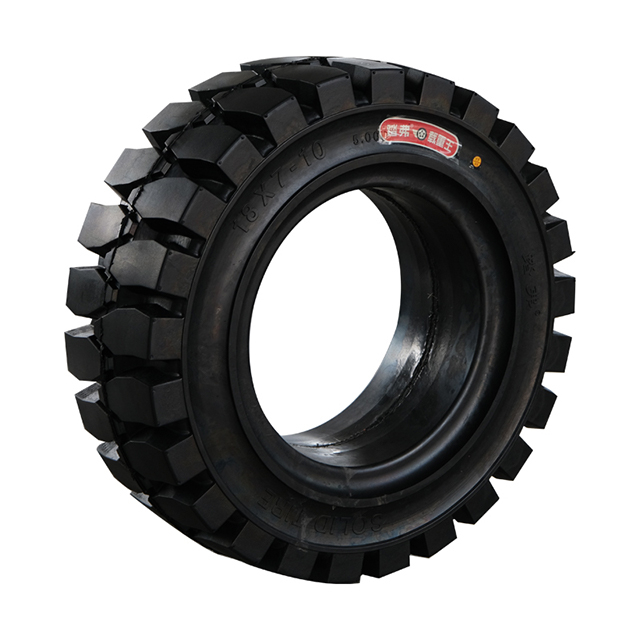
Solid tires support a scooter without compressed air. Manufacturers form them from rubber, polyurethane, foam-filled material, or similar resilient compounds. Sharp debris may cut the tread, yet it cannot release air. For this reason, riders often call them airless scooter tires, flat-free tires, or puncture-proof scooter tires.
The label covers several designs rather than one standard construction. Each design changes weight, heat control, flexibility, and road feel. Buyers should understand these differences before comparing scooter models or ordering an electric scooter tire replacement.
Fully solid rubber tires: Dense rubber runs through most or all of the tire. This structure handles puncture risks well and keeps its shape under normal loads. However, it usually transfers the most vibration from pavement into the deck and handlebar.
Honeycomb scooter tires: Internal holes or ribs let the tire flex under load. They usually cushion small impacts better than a dense solid design. They still cannot match the tunable air cushion of a pneumatic tire.
Filled solid tires: Flexible foam or another polymer replaces compressed air inside the casing. Their behavior varies by compound and construction. Buyers should request verified specifications instead of judging performance from the “solid” label alone.
Pneumatic tires use pressurized air, either inside a tube or within a sealed tubeless casing. That air deforms around bumps and enlarges the contact patch under load. Solid tires cannot lose pressure, but they also cannot adjust cushioning through pressure changes.
Tafu states that the brand has worked in rubber and plastics since 1997. It focuses on solid-tire production and offers OEM or customized manufacturing. Its website also shows solid-scooter-tire manufacturing, although no public scooter size chart is provided.
Therefore, “solid” alone never confirms a suitable scooter tire. Construction, compound, tread, diameter, width, rim fit, and load rating still matter. A well-matched honeycomb tire can feel very different from a hard, fully solid tire.
The strongest benefit is simple: pressure-related flats disappear. Nails, glass, and pinch impacts cannot deflate a solid tire. A cut can still damage its tread, but it will not leave a rider stranded through sudden air loss.
That difference matters when a scooter supports daily transport. One puncture can interrupt a commute, require towing, or remove a rental unit from service. Flat-free scooter tires replace those unpredictable repairs with more planned inspection and replacement.
Solid tires need no pump, valve service, tube patches, or pressure checks. Riders still inspect tread, cracking, cuts, and rim seating. However, the routine becomes shorter and easier to schedule.
Fleet operators gain another benefit: consistent readiness. A parked pneumatic scooter may slowly lose pressure between uses. A solid tire keeps the same basic shape each morning, reducing pressure-related downtime across many vehicles.
The economic value depends on actual operating conditions. Solid tires become more attractive when punctures happen often or service labor costs are high. Their value shrinks when roads are clean, repairs are easy, and comfort drives customer satisfaction.
Solid tires for electric scooters usually fit these conditions:
Short or moderate trips on smooth, dry pavement.
Urban routes containing glass, nails, or sharp debris.
Rental fleets needing high availability and simple servicing.
Campuses, warehouses, resorts, and controlled private roads.
Riders unable or unwilling to check tire pressure regularly.
A Solid Scooter Tires Explained: Pros, Cons, and Fleet Use Cases reaches a similar use-case conclusion. It favors them where durability and low downtime outweigh maximum comfort.
There is also a predictable safety advantage: punctures cannot cause sudden deflation. That does not make every solid tire safer overall. Braking grip, tread design, surface water, speed, and rider behavior remain important.
Choose these maintenance-free scooter tires for a clear operational reason, not only a marketing label. They are good when avoiding flats solves a frequent, costly problem. They are less convincing when riders mainly need comfort, strong wet grip, or easy replacement.
Removing air also removes a valuable suspension layer. Pneumatic tires compress around cracks, stones, and road joints. Fully solid tires deform less, so more impact reaches the scooter frame and rider.
The result can be tired hands, rattling components, and reduced control over broken pavement. Scooters lacking mechanical suspension reveal this difference most strongly. Honeycomb scooter tires soften smaller impacts, but they remain firmer than comparable pneumatic designs.
Factor | Solid Tires | Pneumatic Tires |
Flats | No pressure flats | Tubes or casings can puncture |
Comfort | Firmer, with more vibration | Better shock absorption |
Wet grip | Often more limited | Usually a larger, flexible contact patch |
Routine care | No pressure or valve service | Regular pressure checks |
Installation | Frequently difficult | Varies by rim and tire design |
Efficiency | Can add weight or resistance | Often rolls more efficiently |
Grip deserves careful attention. A firm tire may present a smaller or less flexible contact patch. On wet paint, metal covers, loose gravel, or leaves, that difference can reduce confidence. Riders should slow earlier, brake smoothly, and avoid sharp steering inputs.
Rolling resistance also depends on compound and construction. A heavy, soft solid rubber scooter tire may consume more energy through deformation. A hard design may roll differently but transmit more shock. Therefore, nobody should promise a fixed range loss without testing the exact tire and scooter.
A Technical Guide: Electric Scooter Tires - Rider Guide also notes the usual cushioning, traction, and efficiency advantages of pneumatic tires. These differences become more important during long commutes, high-speed riding, or rough-road use.
Replacement creates another practical problem. Solid tire installation often requires strong tire levers, controlled heating, a press, or professional equipment. Poor technique can damage the rim, motor cable, bead area, or tire. Motorized hub wheels require extra care because their wiring runs close to the work.
Finally, solid does not mean wear-proof. Tread can smooth out, rubber can crack, and chunks can separate. Extra vibration may also loosen fasteners elsewhere. Flat prevention removes one failure mode; it never removes the need for inspection.
Start with your route, not the product label. A smooth five-kilometer city trip creates different demands from a long ride over cracked roads. The best tire is the one matching the surface, distance, speed, and maintenance plan.
Scooter solid tires are usually the stronger choice when punctures happen repeatedly. They also suit owners without storage space for pumps and repair tools. Rental operators may accept a firmer ride to keep more scooters available.
Pick solid tires when most statements below describe your situation:
Roads are mostly smooth, paved, and reasonably dry.
Trips are short enough that vibration remains acceptable.
Broken glass or sharp debris creates frequent punctures.
Low maintenance matters more than maximum ride comfort.
The scooter has useful suspension or a well-cushioned design.
Professional installation is available when replacement becomes necessary.
Air-filled tires usually make more sense on broken pavement, gravel, or longer routes. They absorb repeated impacts and generally provide better surface conformity. Riders seeking maximum braking feedback or wet-road grip should also favor quality pneumatic tires.
Tubeless versions can reduce some puncture concerns. Sealant may close small holes, although larger cuts still require repair. Tubed tires can be easier to service on certain split rims, but pinch flats remain possible.
TAFU describes airless construction around puncture resistance, stability, and low maintenance. Those principles explain the format’s appeal, but scooter buyers still need application-specific proof. Ask for the exact size, load capacity, rim requirements, compound, and intended speed range.
Some scooters leave the factory with mixed tire formats. A pneumatic front tire can add cushioning, while a solid rear tire avoids common drive-wheel repairs. Never copy this arrangement without approval. Steering geometry, braking balance, controller settings, and wheel clearance may depend on the original equipment.
There is no universal winner in solid vs pneumatic scooter tires. Solid favors uptime and simplicity. Pneumatic favors comfort, grip, and road isolation. Decide which compromise affects your everyday ride least.
Compatibility comes before every claimed benefit. Two tires carrying the same casual size description may use different inside diameters, widths, bead shapes, or rim profiles. A tight-looking fit does not prove safe seating.
Check the scooter manual and the markings on the original tire. Confirm the outside diameter, width, rim diameter, load rating, and rotation direction. Then verify motor-housing, brake, fender, and frame clearance through a complete wheel rotation.
Original approval: Does the scooter maker allow a solid tire conversion?
Exact dimensions: Do measured rim and tire specifications match?
Load and speed: Are both ratings suitable for rider, cargo, and scooter?
Tread purpose: Does the pattern suit dry streets, rain, or mixed surfaces?
Compound details: Can the supplier explain hardness and intended use?
Installation method: Are correct tools and trained service available?
After-sales support: Can the supplier replace a mismatched or defective tire?
Installation can be demanding because the bead cannot deflate and stretch freely. Some technicians warm the tire using controlled methods, then use a press or proper levers. Avoid improvised blades, open flames, uncontrolled heat, or force near a hub-motor cable.
After installation, rotate the wheel by hand. Look for wobble, uneven seating, rubbing, cable tension, or brake interference. Begin with a slow test on dry, clean pavement. Test straight braking and gentle turns before returning to normal speed.
Inspect flat-free scooter tires regularly, despite their low-maintenance reputation. Replace them when tread becomes unsafe, deep cracks appear, chunks separate, or the tire moves on its rim. Also check axle nuts, fenders, stem bolts, and other fasteners after early rides.
TAFU states that it supports customization and OEM production under strict quality-control processes. Scooter brands and distributors should provide drawings, tolerances, load targets, and operating conditions before requesting a custom solution. Physical fit, compound validation, and road testing should precede any volume order.
Solid tire installation should never become an experiment on public roads. A compatible product, careful fitting, and controlled testing protect the rider far better than a generic “puncture-proof” claim.
Solid tires are good for scooters used on smooth roads, short routes, or puncture-heavy streets. They prevent pressure flats and reduce routine service. However, they usually bring more vibration and less road conformity. Choose pneumatic tires for rough terrain, longer rides, or maximum wet grip. Whichever format wins, verify compatibility and inspect it regularly.
A: No pressure escapes, but cuts, cracks, and worn tread need attention.
A: Usually, internal pockets flex more than dense rubber. Pneumatic tires cushion better.
A: They may affect range through weight or resistance. Results vary by design.
A: No universal mileage applies. Load, compound, terrain, and riding style control wear.


