TAFU

- All
- Product Name
- Product Keyword
- Product Model
- Product Summary
- Product Description
- Multi Field Search

Views: 0 Author: Site Editor Publish Time: 2026-06-14 Origin: Site


Industrial environments demand high-performance equipment to maintain seamless operations. Reliable components prevent severe logistical bottlenecks. Floor damage and frequent repairs constantly drain facility resources. Frequent wheel replacement directly increases maintenance budgets. It causes unwanted operational downtime. Broken equipment disrupts entire supply chains. Evaluating the true lifespan of a wheel material becomes critical. We must optimize equipment efficiency to protect the bottom line.
Today, polyurethane wheels set the industry standard for durability. However, they are definitely not indestructible. Specific environmental factors will actively degrade them over time. This comprehensive guide unpacks exact lifespan expectations. We break down the specific variables affecting material integrity. You will learn how to evaluate this investment properly. We provide actionable steps to ensure they fit your specific facility. By understanding these factors, you can maximize operational uptime.
Baseline Longevity: High-quality polyurethane wheels typically last 2 to 3 times longer than standard rubber or plastic equivalents in identical industrial conditions.
The Flat-Spotting Factor: While highly resistant to wear and geometric compression, heavy loads left static for extended periods can cause temporary or permanent flat spots.
Shelf Life Realities: Polyurethane has a chemical "curing" period and a definitive shelf life; exposure to UV light and extreme temperature fluctuations will actively degrade the material over time.
You cannot measure wheel lifespan by a single universal metric. Industrial applications vary wildly in their demands. A properly maintained wheel typically lasts anywhere from one to five years. Some exceptional cases see them operating longer. Highly demanding commercial environments accelerate wear. A warehouse running continuously experiences faster degradation than a daytime-only facility. Your specific usage intensity dictates the real-world timeline.
Material science explains much of this longevity. Polyurethane does not stop changing after leaving the factory. It continues to chemically cure over time. The polymer chains cross-link and strengthen. This process requires patience from facility managers. Wheels aged in controlled environments perform significantly better. We recommend aging them for 6 to 12 months. This waiting period unlocks optimal rebound resilience. It also maximizes chunking resistance. Freshly molded wheels remain slightly soft. They degrade faster if deployed immediately under heavy loads.
Patience has strict limits. We strongly warn against using New Old Stock (NOS). Wheels aged over ten years become safety hazards. Polyurethane polymers oxidize over decades. Beyond a specific threshold, internal bonding agents fail completely. The core separates from the tread. The material itself becomes highly brittle. These older wheels risk sudden delamination. They might shatter unpredictably under a heavy load. You should always rotate inventory to prevent extreme aging.
Many factors influence how long your wheels will survive. We have identified six critical variables. They directly control the degradation rate. Understanding them helps you optimize your operational environment.
Load Capacity & Distribution: Polyurethane handles massive weight effectively. It disperses pressure across its footprint. However, exceeding rated capacities accelerates wear immediately. Overloaded wheels heat up internally. They break down faster. You must always match the load rating to your heaviest expected cargo.
Operational Environment: These wheels boast high resistance to oils. They handle chemical spills beautifully. Yet, they remain vulnerable to extreme heat. High temperatures soften the polymer structure. Constant moisture presents another major threat. Water can degrade the bonding agents connecting the tread to the hub.
Surface Roughness: Flooring conditions matter immensely. Smooth concrete yields a multi-year lifespan. It minimizes rolling friction. Highly abrasive surfaces destroy the tread. Rough asphalt causes severe micro-tearing. Debris-littered floors chip away at the exterior profile.
Usage Intensity (Dynamic vs. Static): Motion profiles alter material lifespan. Constant start-and-stop motions generate friction heat. Sharp turns twist the polymer aggressively. Conversely, inactivity poses a different threat. Leaving heavy loads parked on polyurethane for weeks is dangerous. It leads directly to "flat-spotting." The wheel loses its perfect circular shape.
UV and Light Exposure: Light acts as an invisible enemy. Uncontrolled exposure to direct sunlight causes UV degradation. Harsh fluorescent warehouse lighting does the same thing over time. This leads to distinct yellowing. You will notice surface cracking. Eventually, the wheel loses its essential grip.
Maintenance Frequency: Routine care extends operational life drastically. Debris gets caught in bearings constantly. Regular removal prevents mechanical seizing. Periodic wiping of the tread removes abrasive dust. Simple cleaning routines save thousands in replacement costs.
Best Practice: Always audit your floor conditions before procurement. Sweeping floors twice daily extends wheel life by months.
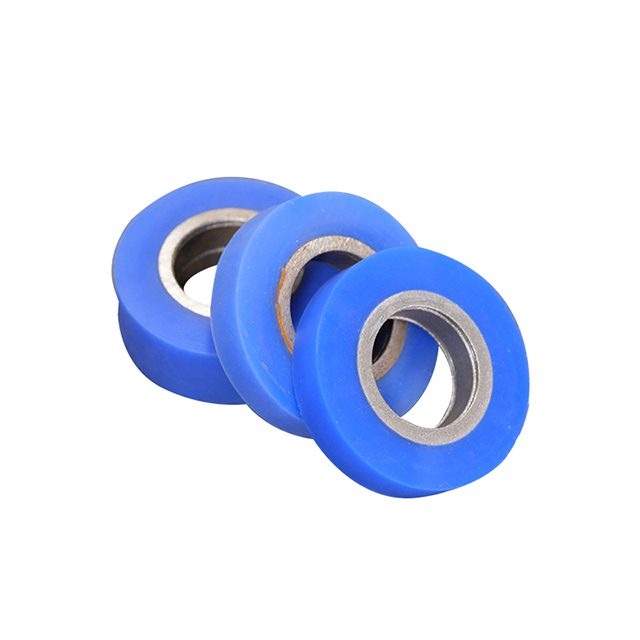
Facility managers constantly debate material selection. Rubber, steel, and polyurethane dominate the industrial market. Each material serves specific needs. However, direct side-by-side comparisons reveal clear winners for most applications. We break down the performance metrics below.
Rubber undergoes severe geometric compression under heavy loads. It squashes flat against the floor. This compression causes rubber to flake and tear. Polyurethane maintains its geometric shape flawlessly. It withstands thousands of rotational cycles without chunking. The cross-linked polymers simply bounce back. For pure wear resistance, polyurethane is the undisputed winner.
Steel wheels bear the absolute highest weight capacities. They move massive industrial machinery easily. Unfortunately, steel destroys epoxy and concrete flooring. It is also excessively loud during transit. Rubber operates as the quietest option available. It cushions blows beautifully. Polyurethane offers the optimum middle ground. It protects expensive floors perfectly. It maintains high load limits simultaneously. It delivers over 70% rebound resilience for superior shock absorption. This category results in a tie depending on your exact application.
Side-by-side industrial testing reveals striking data. Polyurethane wheels consistently outlast rubber equivalents. They survive two to three times longer in identical conditions. This massive lifespan extension offsets their slightly higher initial price point. They require fewer maintenance swaps. They reduce operational downtime.
Material Type | Wear Resistance | Floor Protection | Noise Level | Expected Lifespan |
|---|---|---|---|---|
Rubber | Low (Flakes easily) | Excellent | Very Quiet | 6 - 18 Months |
Steel | Very High | Poor (Damages floors) | Extremely Loud | 5 - 10+ Years |
Polyurethane | High (Resists chunking) | Excellent | Moderate / Quiet | 1 - 5+ Years |
Even the best materials fail under poor management. Many operations experience premature wheel failure. They blame the material itself. Usually, the fault lies in application or formulation. Recognizing these common pitfalls prevents expensive mistakes. We highlight the three most frequent modes of failure below.
Chunking looks exactly as it sounds. Large pieces of the tread tear away completely. This happens during high-torque maneuvers. Forklifts turning sharply cause massive lateral stress. Utilizing cheap, poorly formulated materials guarantees chunking. Uncured wheels suffer the same fate. The polymer bonds simply lack the strength to resist tearing. You must ensure adequate curing time before heavy deployment.
Heat destroys standard urethane blends quickly. Standard formulations soften around 180 degrees Fahrenheit. Deploying standard materials in high-heat industrial settings is a massive mistake. Commercial bakeries generate intense ambient heat. Automotive paint curing zones do the same. The wheel physically melts and deforms under the load. You must specify high-temp urethane blends for these environments. High-temp variants resist thermal breakdown effectively.
Polyurethane must adhere strictly to its inner core. Manufacturers use chemical adhesives to lock the tread to the metal hub. Moisture intrusion threatens this delicate bond. High-humidity environments push water molecules into microscopic gaps. Rust forms on the metal core. This rust physically pushes the polyurethane away. The chemical bond disrupts entirely. The tread eventually slides right off the hub. Stainless steel cores help prevent this specific issue.
Common Mistake: Ignoring standing water on facility floors. Puddles accelerate core rust and guarantee premature bonding failure.
Purchasing wheels is only the first step. How you buy and store them matters immensely. Proper logistics extend material lifespan before the wheel ever touches the floor. You can maximize your return on investment through smart warehousing.
Do not buy replacements on the day you need them. Adopt a strategic purchasing schedule. Buy your inventory 6 to 12 months ahead of scheduled replacement cycles. This strategy provides a massive advantage. It allows newly manufactured wheels to fully cure in your warehouse. By the time you deploy them, they possess maximum rebound resilience. They will resist chunking perfectly.
Your backup inventory requires specific environmental controls. Keep all stored wheels in climate-controlled spaces. Temperature fluctuations cause polymers to expand and contract. Keep the environment strictly dry. High humidity invites rust on metal cores. It degrades internal adhesives over time. A dry, stable room preserves chemical integrity flawlessly.
We already established UV light as an enemy. Do not store spares near open windows. Do not leave them under harsh fluorescent lights indefinitely. Store them in completely opaque packaging. Vacuum-sealed dark bags work best. This approach halts UV-induced oxidation immediately. It preserves tread grip and prevents yellowing.
Selecting a vendor requires strict criteria. Shortlist manufacturers based on transparent data. Ask for explicit load-rating charts. Request specific durometer options tailored to your flooring. The Shore A and Shore D scales measure hardness. Softer durometers grip better. Harder durometers carry more weight. Demand clearly stated chemical resistance charts. Ensure the material withstands your specific industrial solvents.
Polyurethane wheels represent an optimal bottom-of-funnel choice for serious operations. They prioritize long-term durability seamlessly. They offer superior floor protection compared to steel. They reduce maintenance intervals dramatically compared to rubber. Material science proves their mechanical superiority in dynamic industrial environments.
You must take proactive next steps. First, audit your current operational environment carefully. Document your ambient temperatures. List any chemical exposure risks. Calculate your absolute maximum load weights accurately. Next, consult directly with a trusted manufacturer. Use your audit data to select the correct durometer. Choose the right core type for your specific use case. Proper selection ensures years of uninterrupted operational success.
A: Yes. While they benefit from an initial curing period of up to a year, polyurethane stored for over 10 years degrades. It eventually becomes brittle and extremely unsafe for high-load applications. You should actively rotate your inventory to avoid using excessively aged materials.
A: Yes, if a heavily loaded cart or machine is left completely static for extended periods. However, high-quality polyurethane often recovers its original shape once rolling resumes. This recovery sets it apart from cheaper plastics, which deform permanently under similar stress.
A: They perform quite well, but standing water can reduce traction compared to rubber. Prolonged exposure to high humidity can also threaten the adhesive bond between the urethane and the wheel core if not properly manufactured. Stainless steel cores help mitigate this risk.
A: Routine maintenance is minimal. Wipe the treads with a damp cloth regularly. Strictly avoid harsh cleaning solvents. Keep the bearings well-lubricated to prevent seizing. Finally, ensure the rolling surface remains free of sharp metal shavings or abrasive floor debris.


