TAFU

- All
- Product Name
- Product Keyword
- Product Model
- Product Summary
- Product Description
- Multi Field Search

Views: 0 Author: Site Editor Publish Time: 2026-03-18 Origin: Site


Wheels play an essential role in a wide range of applications, from industrial machinery to transportation devices. The material chosen for wheels significantly impacts their performance, durability, and cost-effectiveness. Among the various materials available, Plastic Nylon Wheel has gained significant attention in recent years for its remarkable properties. But is nylon truly a good material for wheels? In this article, we will explore the advantages of using nylon in wheel manufacturing, particularly focusing on the benefits it offers in industrial and commercial applications.
Nylon wheels are commonly used in everything from industrial carts to automated systems due to their versatility, efficiency, and cost-effectiveness. They are especially valuable in sectors like manufacturing, warehousing, and logistics. In this article, we will break down why Plastic Nylon Wheel stands out as an exceptional choice for many industries and applications.
Plastic nylon, or polyamide, is a synthetic polymer known for its impressive mechanical properties. It is commonly used in a wide variety of industrial applications due to its resilience, low friction, and strength. Nylon is produced through polymerization processes, where molecules are combined to create long chains that give the material its toughness and durability. Its crystalline structure makes it highly durable and capable of withstanding wear and tear, especially in challenging environments.
Lightweight: Nylon has a lower density compared to metals and other plastics, making it ideal for applications that require weight reduction. This feature is particularly beneficial in reducing energy consumption in transportation and manufacturing equipment.
High Strength-to-Weight Ratio: Despite being lightweight, nylon exhibits high tensile strength, making it suitable for heavy-duty applications where strength is paramount.
Thermal Resistance: Nylon has a high melting point and is resistant to thermal expansion, which makes it effective in high-temperature environments. It can withstand fluctuating temperatures and can function well in both hot and cold conditions.
Chemical Resistance: Nylon is resistant to most chemicals, including oils, greases, and solvents, which ensures its longevity in harsh industrial environments. This makes it ideal for machinery and vehicles used in sectors such as manufacturing, agriculture, and chemical processing.
These properties make Plastic Nylon Wheel an ideal material for various types of wheels, from industrial machinery to consumer-grade products, and its superior qualities position it as a leading choice for wheel manufacturing.
One of the most significant advantages of using Plastic Nylon Wheel is its lightweight nature. Wheels made from nylon are significantly lighter than those made from metal or rubber. This reduction in weight allows for easier handling and maneuverability, particularly in applications where frequent movement or high-speed operations are required. The lighter weight of nylon wheels reduces the overall strain on the machinery, which helps improve the performance and longevity of the equipment they are part of.
Reduced Load on Equipment: The lighter weight of nylon wheels reduces strain on motors, engines, and other components of machinery, leading to lower maintenance costs and extended equipment life.
Improved Efficiency: With less weight to move, the energy required to transport loads is significantly reduced. This energy efficiency not only lowers operational costs but also improves overall productivity, especially in high-speed operations.
Ease of Movement: Nylon wheels glide smoothly on surfaces, reducing friction and making them easy to maneuver, which can be especially advantageous in environments that require frequent adjustments or high-speed transport.
In industrial applications such as forklifts, material handling systems, and Automated Guided Vehicles (AGVs), this weight reduction translates into faster operations, less wear on components, and more efficient workflows.
Plastic Nylon Wheel is known for its high impact resistance. Unlike rubber or plastic wheels that can deform, crack, or wear down under pressure, nylon wheels maintain their shape and integrity even when subjected to heavy loads or impacts. This makes nylon wheels particularly useful in applications where wheels are exposed to harsh conditions, frequent bumps, or high impact forces.
Energy Absorption: Nylon absorbs shock and impact efficiently, preventing damage to the wheel and reducing stress on other components of the equipment. This energy absorption property also helps reduce vibration, enhancing stability during operation.
Toughness: Nylon's inherent toughness ensures that the wheels maintain their structural integrity, even under high-pressure conditions. Unlike rubber, which may degrade over time due to stress and wear, nylon offers a longer lifespan in demanding environments.
The ability of Plastic Nylon Wheels to resist impact not only ensures that the wheels perform reliably in challenging environments but also reduces the need for frequent replacements, which lowers operating costs and improves operational efficiency.
In many industrial settings, wheels are exposed to moisture, chemicals, and oils. Unlike metal wheels, which can corrode over time, Plastic Nylon Wheel has excellent corrosion resistance. This characteristic makes it ideal for use in environments where exposure to water, chemicals, or other corrosive elements is common, such as in food processing, agriculture, and pharmaceutical industries.
Resistant to Moisture: Nylon does not absorb water, making it resistant to rust and degradation caused by moisture exposure. This property is particularly important in environments with high humidity or direct water exposure, as it helps maintain the wheel’s performance.
Chemical Resistance: Nylon is resistant to many chemicals, including acids, alkalis, and solvents, allowing it to perform consistently in harsh environments where other materials may fail.
This corrosion resistance ensures that Plastic Nylon Wheels maintain their performance and appearance over time, even in environments with moisture, chemicals, or extreme conditions.
Another standout feature of Plastic Nylon Wheel is its low friction properties. Friction is a significant factor in the wear and tear of wheels, leading to heat buildup, reduced performance, and more frequent replacements. Plastic Nylon Wheels have a smooth surface that reduces friction against other surfaces, which can lead to faster speeds, higher efficiency, and less energy consumption.
Energy Efficiency: Lower friction means less energy is required to move heavy objects, making operations more energy-efficient and reducing electricity consumption.
Reduced Wear and Tear: The low friction properties of nylon wheels reduce abrasion, which prolongs both the lifespan of the wheels and the surfaces they come into contact with.
Silent Operation: The smoothness of nylon wheels results in quieter operation, which is especially beneficial in environments where noise reduction is important, such as hospitals, offices, or high-precision industrial settings.
By improving operational efficiency and reducing noise, Plastic Nylon Wheels contribute to a more productive and comfortable working environment.
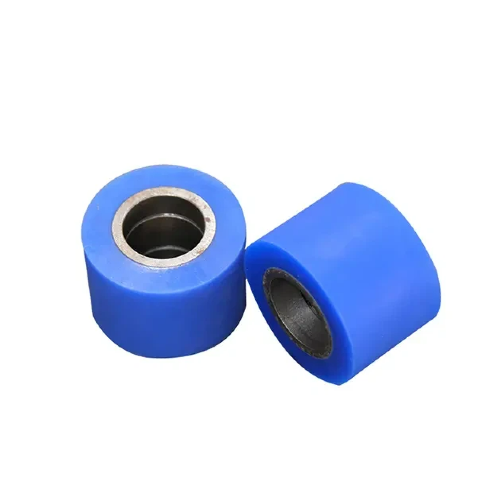
Nylon wheels are incredibly versatile and can be found in a variety of industries. From material handling to automated systems, nylon wheels offer performance and reliability across many different applications. This versatility is one of the main reasons why Plastic Nylon Wheels are a popular choice for businesses seeking durability and long-lasting performance in their equipment.
Application | Nylon Wheel Benefits |
Material Handling | Nylon wheels provide high load-bearing capacity, ensuring smooth transport in warehouses. |
Forklifts and AGVs | The impact-resistant nature of nylon wheels ensures durability and minimal maintenance. |
Automated Systems | Nylon’s low friction and precision manufacturing make it ideal for robotic wheels. |
Clean Room Equipment | Non-corrosive and low-friction properties make nylon wheels perfect for sensitive areas. |
In industries like logistics, automation, and manufacturing, Plastic Nylon Wheels reduce downtime, improve operational flow, and provide reliable performance even in the most demanding applications. Their versatility makes them suitable for a wide range of environments and machinery, from heavy-duty equipment to small automated systems.
Another advantage of using nylon for wheels is its ability to be customized for specific applications. Manufacturers can adjust the composition of nylon to create wheels with varying levels of hardness, durability, and even color, providing businesses with tailored solutions for their specific operational needs.
Hardness Variability: Depending on the application, nylon wheels can be tailored to be softer for lighter loads or harder for heavy-duty uses. This adaptability ensures optimal performance across various industries.
Color Customization: Nylon can be produced in a variety of colors, making it easier to organize equipment by color coding in large facilities, ensuring better inventory management and reducing errors.
Shape and Size Adjustments: Nylon wheels can be manufactured in a variety of shapes and sizes to meet the unique requirements of different industrial equipment. This flexibility makes nylon an ideal choice for manufacturers looking for specialized wheel solutions.
This flexibility allows businesses to design wheels that meet specific operational needs, whether it’s for material handling carts or specialized automated equipment.
As industries increasingly focus on sustainability, Plastic Nylon Wheels offer an eco-friendly solution. Nylon is a durable, long-lasting material, and wheels made from nylon can be recycled at the end of their lifespan, contributing to a circular economy.
Recyclability: Nylon is a durable material, and when Plastic Nylon Wheels reach the end of their life cycle, they can be recycled, helping reduce waste and supporting the recycling industry.
Reduced Waste: The durability of nylon wheels reduces the frequency of replacements, leading to less waste in landfills, which is increasingly important for companies aiming to meet sustainability goals.
Lower Carbon Footprint: The energy-efficient properties of nylon wheels reduce energy consumption in material handling systems, contributing to lower carbon emissions and promoting environmentally friendly business practices.
Using nylon wheels not only helps businesses save on long-term costs but also aligns with eco-conscious practices by contributing to a circular economy and reducing the environmental impact of operations.
In conclusion, Plastic Nylon Wheels offer a range of significant advantages, making them an excellent choice for diverse industrial and commercial applications. Their lightweight, durable, and impact-resistant properties, combined with corrosion resistance and low friction, ensure long-lasting, efficient, and cost-effective solutions. These features make nylon wheels ideal for applications in material handling, automated systems, and various other industrial sectors.
At Hengshui Kangyuan Rubber and Plastics Technology Co., Ltd., we specialize in providing high-quality Plastic Nylon Wheels that enhance productivity, reduce operational costs, and support sustainable practices. Whether you are looking for durable, energy-efficient solutions or need custom-designed wheels for specific applications, we offer versatile options to meet your business needs.
If you're interested in learning more about how our Plastic Nylon Wheels can benefit your operations or if you wish to explore our full range of products, don't hesitate to get in touch with us. We're here to provide reliable, tailored solutions that help your business thrive.
Yes, nylon wheels are highly durable and resistant to impacts, wear, and environmental factors. Their longevity reduces the need for frequent replacements, making them a cost-effective choice for many industries.
Nylon wheels offer excellent strength, low friction, high impact resistance, and corrosion resistance, making them ideal for heavy-duty, high-performance industrial applications.
Yes, nylon wheels are suitable for both indoor and outdoor use due to their resistance to moisture, chemicals, and temperature variations. This makes them ideal for diverse applications in both harsh and moderate environments.
Nylon wheels outperform rubber and other plastics in terms of impact resistance, low friction, and durability, particularly in industrial settings where performance is crucial.
Yes, nylon wheels are recyclable and offer a sustainable solution by reducing waste, supporting energy-efficient operations, and contributing to a circular economy.


