TAFU

- All
- Product Name
- Product Keyword
- Product Model
- Product Summary
- Product Description
- Multi Field Search

Views: 0 Author: Site Editor Publish Time: 2026-03-12 Origin: Site


Nylon plastic is one of the most versatile and widely used materials in various industries today. From its introduction in the 1930s, nylon has become an essential material due to its strength, durability, and flexibility. This synthetic polymer, made from petrochemicals, has applications ranging from textiles and automotive parts to electronics and medical devices. A particular application that is gaining significant attention is the use of Plastic Nylon Wheels, which are designed for various heavy-duty machinery and industrial equipment. This article will explore the different uses of nylon plastic, focusing on Plastic Nylon Wheels and their impact on various industries.
Nylon plastic is a synthetic polymer made from repeating units of amide groups. It is produced through a polymerization process where a monomer reacts to form long chains. The name "nylon" is often used to describe various grades of polyamides, which include Nylon 6, Nylon 66, and others.
The unique properties of nylon, such as its high tensile strength, flexibility, and chemical resistance, make it an ideal material for a wide range of applications. Over the years, manufacturers have developed different grades of nylon to cater to specific industrial needs.
There are various types of nylon used in manufacturing. Below are the two most common types:
Type of Nylon | Characteristics | Common Applications |
Nylon 6 | Made from caprolactam, Nylon 6 is highly flexible and resistant to abrasion, making it a popular choice for textile fibers. | Used in fabrics, ropes, automotive components, and packaging materials. |
Nylon 66 | Made from hexamethylene diamine and adipic acid, Nylon 66 has higher melting points, making it suitable for high-temperature applications. | Used in automotive parts, electrical components, and industrial machinery. |
Nylon possesses a range of properties that make it highly desirable across various sectors:
High Tensile Strength: Nylon plastic is known for its excellent tensile strength, which allows it to withstand significant stress without breaking.
Abrasion Resistance: It is highly resistant to wear and tear, making it ideal for applications that involve heavy use or friction.
Thermal Resistance: Nylon can operate effectively in high-temperature environments without degrading.
Chemical Resistance: It resists many chemicals, oils, and solvents, further enhancing its versatility.
Nylon plastic is widely used in the automotive industry for its strength, lightweight properties, and resistance to wear. Components such as gears, bearings, fuel tanks, and electrical connectors are made from nylon. These parts require high durability and resistance to environmental factors like heat, moisture, and chemicals, which nylon provides.
For instance, Nylon 66 is commonly used in the manufacturing of automotive fuel lines and connectors due to its ability to withstand high temperatures and chemical exposure.
Nylon’s textile applications are perhaps the most well-known. As the first synthetic fiber, it has revolutionized the fashion and textile industries. It is widely used in clothing, ropes, carpets, and even parachutes. Nylon’s durability, strength, and resistance to abrasion make it ideal for products that are subject to constant friction and wear.
Nylon plastic is also extensively used in electronics. Its insulating properties make it an excellent material for electronic components, including switches, connectors, and circuit boards. Additionally, its resistance to heat and electrical conductivity enhances the performance and safety of electronic devices.
In the medical field, nylon is used to make surgical instruments, medical devices, and implantable products. Nylon’s biocompatibility, strength, and resistance to bacteria make it an ideal choice for many medical applications.
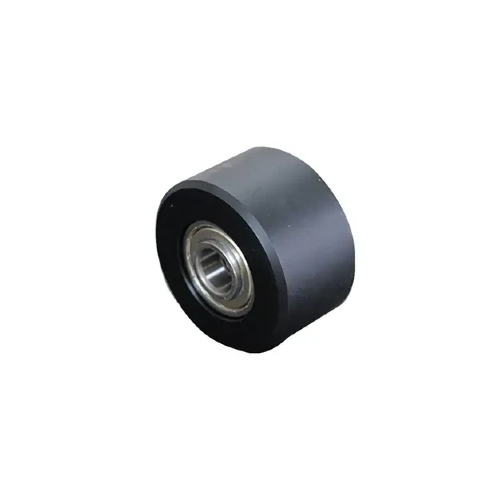
Plastic Nylon Wheels are a key product made from nylon plastic, and they are commonly used in various types of industrial machinery and equipment. These wheels are designed to offer a lightweight yet durable solution for moving loads in environments where heavy-duty operations are required.
The primary advantage of Plastic Nylon Wheels is their exceptional resistance to abrasion, chemicals, and temperature variations. These wheels are widely used in industrial settings such as warehouses, factories, and airports, where high-performance wheels are essential for smooth operations.
Plastic nylon wheels are extensively used in industrial machinery for moving heavy loads, including:
Conveyor Systems: Nylon wheels are commonly used in conveyor systems to ensure smooth transportation of goods across various industries, including automotive, packaging, and pharmaceuticals.
Carts and Trolleys: Nylon wheels are ideal for use in carts and trolleys that are constantly moving and carrying heavy loads. Their ability to resist wear and maintain their structure even under pressure is critical in these applications.
Forklifts and Pallet Jacks: In warehouses and factories, forklifts and pallet jacks are often equipped with nylon wheels due to their superior load-bearing capabilities and durability.
Below are some of the key advantages of using Plastic Nylon Wheels:
Durability: Plastic nylon wheels are known for their long-lasting properties. They can withstand heavy loads and resist wear, even under constant use.
Low Friction: Nylon wheels generate less friction, making them ideal for applications where smooth movement is required.
Chemical Resistance: Nylon wheels are resistant to oils, solvents, and other chemicals, making them ideal for use in environments where these substances are present.
Lightweight: Despite their strength, nylon wheels are lightweight, which reduces energy consumption and enhances the mobility of equipment.
One of the main reasons for choosing nylon plastic for wheels is its strength and durability. Nylon’s exceptional tensile strength allows the wheels to carry heavy loads without cracking or breaking. Unlike rubber wheels, nylon wheels are less prone to wear and maintain their structural integrity over time.
Nylon plastic offers low friction, which means that Plastic Nylon Wheels are capable of rolling smoothly and easily. This is particularly beneficial in industrial settings where efficient and smooth movement is necessary for operations to run smoothly. Lower friction also reduces the risk of overheating and extends the life of the wheels.
Another important benefit of using Plastic Nylon Wheels is cost-effectiveness. While nylon may have a higher initial cost than rubber, its durability and long lifespan make it a more economical choice over time. The reduced need for maintenance and replacements helps companies save on long-term operational costs.
Nylon plastic is commonly used in the packaging industry, especially for products that require flexibility and strength. Nylon films are used for food packaging, and the material’s durability and resistance to puncturing make it ideal for protective packaging.
In the construction industry, nylon is used for reinforcing materials such as concrete, and as an insulating material for wiring and cables. Its resistance to environmental factors makes it suitable for both indoor and outdoor construction projects.
Nylon plastic is found in many everyday consumer products such as toothbrushes, kitchen tools, and even sporting goods. Its strength, resilience, and low cost make it an attractive option for manufacturers of consumer goods.
Nylon plastic is an incredibly versatile and valuable material, playing a pivotal role across industries such as automotive, medical devices, and industrial machinery. Known for its durability, strength, and resistance to wear, nylon offers long-lasting solutions for a variety of applications, including in high-temperature environments and heavy-duty machinery. One prime example of nylon's exceptional performance is in Plastic Nylon Wheels, which are designed to meet the demands of tough industrial operations.
At Hengshui Kangyuan Rubber and Plastics Technology Co., Ltd., we specialize in manufacturing high-quality nylon-based products, including durable plastic nylon wheels that provide outstanding performance and longevity. With years of expertise in the field, we understand the unique needs of industries looking for reliable and cost-effective solutions. If you’re looking to learn more about how nylon plastic can benefit your operations or need assistance with tailored solutions, we invite you to contact us. Let our team help you find the perfect products for your business needs.
Nylon plastic is known for its high tensile strength, durability, abrasion resistance, chemical resistance, and thermal stability. These properties make it ideal for heavy-duty and industrial applications.
Plastic Nylon Wheels offer superior resistance to wear, chemicals, and temperature variations. Unlike rubber wheels, they also provide low friction, making them more suitable for industrial applications where heavy loads need to be moved smoothly.
Nylon’s strength, resistance to wear, and ability to withstand heat and chemicals make it an ideal material for automotive components, including fuel tanks, connectors, and gears.
Yes, nylon plastic can be recycled. In fact, recycling nylon helps reduce waste and environmental impact. Many companies now focus on using recycled nylon for producing new products.
Yes, Plastic Nylon Wheels are specifically designed for heavy-duty applications. They are used in industrial machinery, carts, forklifts, and other equipment that require durable, long-lasting wheels capable of handling heavy loads.


