TAFU

- All
- Product Name
- Product Keyword
- Product Model
- Product Summary
- Product Description
- Multi Field Search

Views: 0 Author: Site Editor Publish Time: 2026-05-22 Origin: Site


Choosing the wrong industrial wheel triggers a cascade of hidden expenses. Facilities constantly suffer through frequent wheel replacements, deeply gouged flooring, rising operator fatigue, and unexpected equipment downtime. Buyers researching better options often feel frustrated by standard rubber tearing apart under heavy loads. Similarly, hard metal or cheap plastics cause deafening operational noise and permanent concrete damage. You might wonder if paying a premium for a high-performance alternative is truly justified.
Polyurethane wheels offer an exceptional upgrade for high-capacity, noise-sensitive, and harsh-chemical environments. However, you must specify them correctly to realize their full potential. In this comprehensive guide, we explore how to match wheel chemistry to your exact application. You will learn to navigate load ratings, evaluate core materials, and avoid catastrophic failures like heat blow-outs or tread delamination.
Performance: Polyurethane bridges the gap between rubber's shock absorption and metal's load capacity.
Longevity: Significantly outlasts rubber in environments with oil, chemicals, and sharp debris.
Floor Protection: Eliminates the concrete gouging associated with steel wheels and the marking issues of cheap rubber.
The Catch: Susceptible to heat accumulation (hysteresis) at high speeds and flat-spotting if left under heavy static loads for extended periods.
Facilities eventually hit a breaking point where legacy wheels fail too often. Standard polyolefin, nylon, or rubber casters simply cannot handle escalating operational demands. You realize an upgrade is necessary when floor repairs become frequent, or operator complaints increase. Moving to polyurethane wheels solves several distinct operational challenges simultaneously.
Ergonomics & Operator Safety: Pushing heavy carts takes a massive physical toll on workers. Polyurethane dramatically lowers push and pull rolling resistance. This reduction in friction directly limits repetitive strain injuries. Operators experience far less fatigue during long shifts. They can initiate movement faster and maintain momentum easier.
Floor Maintenance Costs: Steel wheels destroy epoxy coatings. They gouge untreated concrete effortlessly. Upgrading protects your expensive infrastructure investments. You avoid costly floor repairs entirely. Furthermore, high-quality polyurethane will not leave ugly black marks across your facility floors like cheap rubber does.
Debris Rejection: Manufacturing floors contain numerous hazards. Weld slag, wood chips, and sharp metal shavings litter the ground. Soft rubber absorbs these sharp fragments, embedding them permanently. Hard plastic shatters upon impact. Polyurethane acts differently. It compresses temporarily over sharp debris and rejects it, keeping the tread smooth and functional.
Contamination Compliance: Food processing plants face strict hygiene rules. Paper mills also require pristine production conditions. Both industries must eliminate metal contamination risks completely. Replacing traditional metal hubs and wheels prevents rust flakes from entering the production line. You maintain compliance effortlessly by utilizing this advanced polymer.
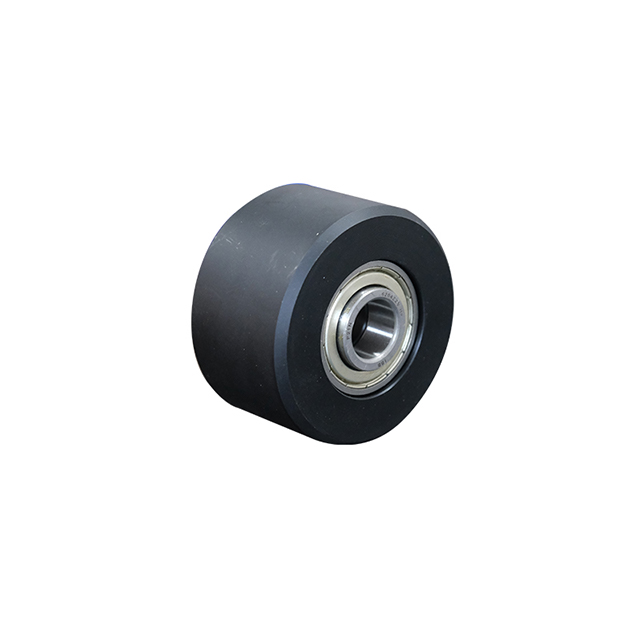
Material selection dictates how well your equipment performs under pressure. Understanding how this polymer compares to traditional materials highlights exactly why it dominates modern industrial applications.
Material | Load Capacity | Shock Absorption | Floor Protection | Primary Drawback |
|---|---|---|---|---|
Rubber | Low to Medium | Excellent | Good (May leave marks) | Flattens under heavy load; degrades in oil. |
Steel/Metal | Extreme | None | Poor (Gouges concrete) | Deafening noise; destroys facility floors. |
Polyolefin | Light | Poor | Fair | Shatters on impact; noisy on rough terrain. |
Polyurethane | High to Extreme | Good to Excellent | Excellent | Vulnerable to internal heat buildup at high speeds. |
Rubber absorbs shocks beautifully. However, it flattens out under heavy weight. It deforms quickly and permanently. Polyurethane wheels support exponentially heavier loads without flattening out. They maintain their structural integrity completely. Furthermore, this advanced polymer outlasts rubber in harsh chemical, oil, and wet environments. Marine applications benefit hugely from this material because it resists water degradation and salt exposure far better than standard rubber compounds.
Steel handles extreme weight effortlessly. Unfortunately, it crushes anything underneath it. It destroys expensive epoxy floors in weeks. Polyurethane offers comparable load support. Enterprise tiers can actually support up to 34,000 lbs per wheel. Unlike steel, this polymer operates quietly. It absorbs dynamic shocks effectively. This vital shock absorption protects both your fragile payloads and your factory floors during transit.
Polyolefin is strictly for light-duty tasks. It suits budget-sensitive, static applications perfectly. However, it fails dynamically. Hard plastic cracks when it strikes floor joints. It shatters when hitting debris. Polyurethane represents the necessary upgrade for high-frequency movement. It handles rougher terrain easily without shattering. It rolls smoothly over dock plates and thresholds where cheap plastics normally break.
No material is invincible. Engineering professionals know that demonstrating trustworthiness means understanding a material's limitations. Field experience reveals four primary ways these wheels fail in industrial settings. Recognizing these failure modes allows you to prevent them entirely.
Delamination occurs when the polymer tread peels away from the wheel core. Poor manufacturing causes this primarily. Weak chemical bonding to the cast iron or aluminum core dooms the wheel from day one. Additionally, prolonged exposure to aggressive solvents dissolves the adhesive bonding layer over time. You can prevent this by sourcing properly cast products from reputable manufacturers. Always verify your facility's chemical exposures before finalizing your purchase.
Rolling at continuous high speeds generates intense internal friction. Overloading does the exact same thing. This rapid friction traps heat deep inside the polymer matrix. Because the material insulates so well, the heat cannot escape. The core temperature rises drastically until the polymer literally melts from the inside out. Eventually, the wheel bursts. You avoid this catastrophic failure by adhering to speed ratings strictly. Never exceed recommended load capacities during continuous 24/7 towing operations.
Leaving heavy payloads static for weeks causes problems. The bottom edge of the wheel flattens under the immense pressure. When you finally move the cart, it clunks loudly. It feels like driving on square tires. To fix this reality for static storage racks, you must use a higher durometer compound. Alternatively, specify wider wheel bases to distribute the stationary load over a much larger surface area.
Dynamic overloading stresses the material immensely. Striking sharp obstacles at high speeds exceeds the material's structural tensile strength. The tread splits rapidly. Eventually, large chunks break off completely. You see this frequently when forklift drivers drop loads onto carts too aggressively. Use slightly softer compounds for environments heavily littered with floor hazards. Softer treads deform temporarily and absorb the harsh impact rather than cracking.
You cannot grab a generic wheel off the shelf and expect optimal results. You must tailor the material properties to your exact operational environment. Successful specification relies on three critical choices: hardness, chemistry, and core material.
Durometer measures how hard the polymer is. Selecting the correct hardness dictates rolling resistance, noise levels, and load capacity.
Durometer Rating | Characteristics | Best Application Scenarios |
|---|---|---|
Softer (82A - 85A) | High grip, excellent debris rejection, quietest operation. | Best for shock absorption, noise-sensitive areas, and rougher floors. |
Standard (95A) | Balanced wear resistance, moderate grip, strong load bearing. | The industry standard for general manufacturing and warehousing. |
Harder (70D) | Minimal rolling resistance, rock-hard feel, extreme loads. | Increases load capacity by 30%. Requires very smooth, clean floors. |
Most buyers overlook the underlying chemistry. However, this choice determines environmental survival.
Polyether: Specify this chemistry for freezing cold environments. It resists hydrolysis perfectly in wet applications. It provides excellent dynamic rebound, making it ideal for continuous motion applications.
Polyester: Specify this chemistry when abrasion resistance matters most. It handles oil spills, hydrocarbon exposure, and high ambient heat far better than polyether. It tears less easily on rough concrete.
The core supports the polymer tread. You must match it to your payload and environment.
Cast Iron: Choose this for maximum load capacity. It handles extreme weights but adds significant mass to the cart.
Aluminum: Choose this for lightweight applications. It provides high strength while remaining completely rust-proof in wet conditions.
Solid PU: Choose a solid injection-molded design for highly corrosive environments. Without a metal core, you eliminate the risk of delamination entirely.
Polyurethane wheels are undoubtedly a high-ROI investment for dynamic, demanding, and heavy-duty environments. They eliminate the severe floor damage caused by steel while vastly outperforming rubber in load capacity and chemical resistance. By upgrading, you immediately improve operator ergonomics and drastically reduce facility maintenance costs.
Before requesting a quote, audit your current floor conditions carefully. Calculate your maximum dynamic loads accurately. Identify any harsh chemical exposures in your daily operations. This shortlisting logic prevents premature failures and ensures you select the perfect polymer blend.
Consult with a dedicated caster engineer to review your specific requirements. Reviewing a high-capacity product catalog will help you match the exact durometer and core material to your facility's unique operational demands.
A: Chemically, urethane is a single functional group. Polyurethane is a complex polymer chain made of many urethane groups. However, in commercial and industrial procurement, the terms are used completely interchangeably. There is absolutely no functional difference in the final product you purchase.
A: Yes. Because they are highly resistant to moisture, UV rays, and extreme temperature fluctuations, they perform exceptionally well outdoors. You must simply ensure you choose a softer tread (like 82A or 85A) to absorb rough gravel and asphalt vibrations effectively.
A: The polyurethane tread itself is a polymer and is completely impervious to rust. However, the wheel hub and internal bearings can rust if they are made of unprotected cast iron or steel. For wet environments, always specify aluminum cores, stainless steel bearings, or heavy anti-corrosive coatings.


