TAFU

- All
- Product Name
- Product Keyword
- Product Model
- Product Summary
- Product Description
- Multi Field Search

Views: 0 Author: Site Editor Publish Time: 2026-05-30 Origin: Site


Selecting the wrong caster component quietly drains facility budgets every single day. Rough floors aggressively tear soft rubber treads. Hard plastics permanently scar expensive epoxy coatings. Your team faces severe ergonomic strain. Maintenance crews battle continuous equipment downtime. We desperately need a smarter, more durable solution.
Let us clearly define the polyurethane wheel. It operates as a highly engineered, elastomer-based material handling component. It elegantly bridges a crucial performance gap. It offers the quiet flexibility of rubber. Yet, it delivers the extreme load capacity of rigid metals.
Why does this specification matter? Engineers and facility managers must protect delicate infrastructure while transporting massive loads. You simply cannot afford permanent floor scarring or crippling operator fatigue. This guide delivers a complete technical evaluation framework. We explore material science, performance metrics, and strict operational limitations. You will learn exactly when to specify these specific elastomer components for your facility.
Polyurethane wheels offer a high strength-to-weight ratio, supporting heavier loads than rubber while providing better floor protection than nylon or steel.
They are highly resistant to chunking, tearing, and many industrial chemicals, but are vulnerable to extreme heat and prolonged moisture (hydrolysis).
Selecting the right wheel requires matching the polyurethane’s durometer (hardness), tread profile, and core material to your facility’s specific floor conditions and load profiles.
Polyurethane acts as an exceptionally versatile synthetic polymer. Manufacturers meticulously engineer this material for heavy industrial applications. They bond this resilient elastomer directly to a rigid inner core. You typically see cores molded from cast iron, solid aluminum, or industrial polyolefin.
The bonding process remains absolutely critical for structural integrity. Factories use powerful chemical adhesives. They also utilize mechanical locks. These locks feature physical undercuts machined into the metal core. The liquid polymer flows into these undercuts during manufacturing. It cures and locks permanently. A strong bond prevents catastrophic tread separation under immense weight.
Durometer defines the exact hardness of the elastomer. Engineers measure hardness using specific industrial scales. You will encounter Shore A and Shore D most frequently. Shore A measures softer, highly flexible materials. Shore D measures harder, highly rigid materials. You might select an 85A durometer formulation. This softer tread grips slick floors aggressively. Alternatively, you might require a 95A durometer compound. Harder materials carry significantly heavier loads securely. They also drastically reduce operator push forces.
Rebound and rebound resilience dictate shock absorption capabilities. Materials must absorb sudden impacts smoothly. High rebound indicates the tread compresses and quickly returns to shape. This dynamic action protects fragile cart contents. It prevents structural damage during violent threshold impacts.
Rolling resistance heavily impacts workplace ergonomics. Heavy manual carts cause immense operator fatigue. High-quality polyurethane wheels drastically reduce rolling resistance. They glide much easier than soft rubber alternatives. Workers push massive loads using significantly less physical effort. You improve safety metrics instantly.
Choose 70A to 80A for maximum grip and noise reduction.
Choose 90A to 95A for optimal load capacity and ergonomics.
Choose 60D or higher for extreme industrial capacities.
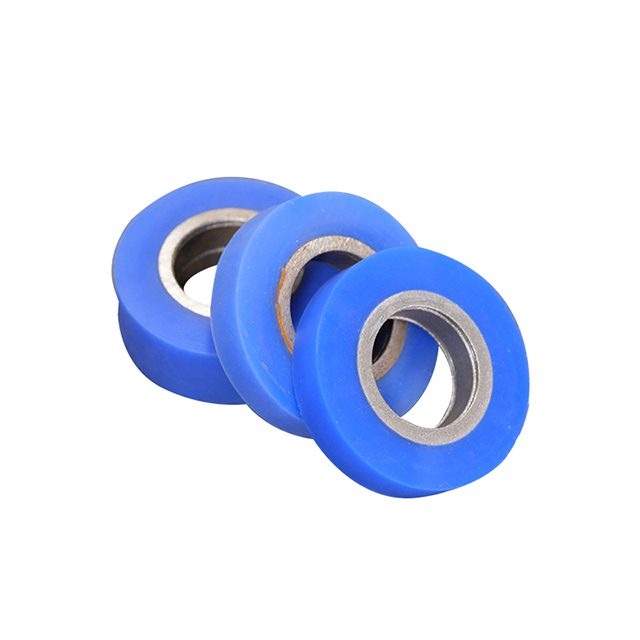
Floor protection remains the primary driver for adoption globally. Industrial flooring represents a massive capital investment for any business. Epoxy coatings, smooth concrete, and commercial tile require constant protection. Elastomers safeguard these expensive surfaces perfectly.
Hard nylon or steel embeds metal chips and sharp gravel. They effectively act like destructive sandpaper on smooth floors. Elastomers repel this dangerous debris instead. The pliable surface flexes over small obstacles. It safely rolls past them without scratching or scarring the delicate floor.
Loud facilities create highly hazardous working environments. Hospitals, cleanrooms, and automated assembly lines demand extremely quiet operation. Hard plastics amplify operational noise constantly. They rattle violently over gaps and metal thresholds.
Polymer treads dampen these acoustic vibrations efficiently. They provide a noticeably quieter ride across all surfaces. You achieve strict noise compliance easily. You also improve worker focus and overall facility comfort.
Warehouses often feature incredibly harsh chemical environments. Spilled solvents, machine oils, and heavy greases destroy standard rubber fast. Rubber swells, softens, and degrades quickly upon contact.
Engineered synthetic polymers resist many harsh industrial chemicals naturally. They maintain their structural integrity during routine chemical exposure. They shrug off motor oil and common cleaning agents. We always advise checking specific chemical compatibility charts first. Not every polymer formulation resists every industrial solvent.
Engineers constantly compare elastomers against traditional materials. You must understand these functional differences clearly. This knowledge prevents costly specification errors.
Rubber represents the oldest standard in material handling. However, it fails under modern industrial demands frequently.
Load Capacity: Rubber compresses severely under heavy weights. Elastomers support significantly higher weight limits safely. You can carry more cargo on smaller cart footprints.
Wear Life: Mechanical stress destroys cheap materials. High-grade polymers resist chunking and tearing remarkably well. They handle rough metal grating easily. Rubber shreds quickly under similar conditions.
Ergonomics: Rubber creates exceptionally high rolling resistance. It grips the concrete floor too aggressively. Operators experience intense fatigue pushing rubber-wheeled carts. Synthetic polymers roll smoothly. They save massive amounts of human energy.
Hard plastics offer incredible capacities. However, they present severe operational drawbacks indoors.
Floor Impact: Polyolefin acts like a solid rock. It damages untreated concrete floors over time. It tracks sharp debris directly across sanitized clean zones.
Acoustics: Hard nylon amplifies every single floor bump. It generates severe operational noise levels. Elastomers dampen sound waves efficiently. They keep warehouses quiet.
Performance Metric | Polyurethane | Standard Rubber | Nylon / Polyolefin |
|---|---|---|---|
Maximum Load Capacity | High | Low to Medium | Very High |
Floor Protection | Excellent | Good (but can mark) | Poor |
Rolling Resistance | Low (Ergonomic) | High (Fatiguing) | Very Low |
Noise Generation | Low (Quiet) | Very Low | High (Loud) |
Selecting the perfect component requires deep technical evaluation. You must analyze three critical structural elements carefully. These include the core, the tread profile, and the internal bearings.
The inner core dictates the fundamental strength of the entire assembly. You choose from three primary materials generally.
Cast Iron Cores: Choose these heavy cores for extreme weight demands. They handle massive structural loads perfectly. They survive brutal impacts.
Aluminum Cores: These metal cores offer superior washdown performance. They resist rust and corrosion exceptionally well. They also keep the total cart weight manageable.
Plastic Cores: Polyolefin hubs provide a lightweight, economical base. Use them primarily for medium-duty indoor applications. They ignore water damage completely.
The physical shape of the exterior tread alters performance drastically. You typically select between a crown tread or a flat tread.
A crown tread features a slightly curved surface. This curvature reduces the actual floor contact area. You gain significantly easier turning capabilities. Operators use much lower push and pull forces. We highly recommend crown treads for manual pushing.
A flat tread provides a completely level exterior surface. It maximizes total floor contact area. You achieve superior load distribution across the concrete. We recommend flat profiles for extreme weights. They prevent heavy loads from crushing the polymer.
You must match the wheel with the absolutely correct bearing. Bearings handle the internal rotational friction. Precision ball bearings improve ergonomics massively. They roll incredibly smoothly. We use them for high-end manual carts.
Roller bearings handle heavy physical impacts better. They survive rough terrain and deep floor cracks. Delrin bearings suit constantly wet environments perfectly. They utilize engineered plastics instead of steel. They never rust or corrode.
No material perfectly solves every industrial challenge. You must understand specific failure modes clearly. Ignoring these limitations guarantees catastrophic equipment failure.
You must never ignore static loads. Heavy carts often sit stationary for weeks. The polymer tread compresses heavily under this constant weight. It slowly changes shape. It develops noticeable flat spots.
Sometimes, these flat spots remain purely temporary. The material warms up and rounds out during use. However, excessive weight causes permanent deformation. You hear a loud thumping noise during operation. You must match the polymer hardness carefully to your maximum static load. Harder compounds resist flat-spotting much better.
Extreme temperatures destroy standard industrial polymers quickly. You must track ambient facility temperatures. High heat environments degrade these materials rapidly. Formulations typically begin failing above 180°F to 200°F.
The elastomer actually melts or loses crucial structural integrity. Extreme cold also causes severe mechanical problems. The tread becomes highly brittle in blast freezers. It chips or shatters easily during harsh impacts. You must specify specialized extreme-temp resins for these challenging zones.
Water attacks specific chemical bonds relentlessly. Consistently wet environments pose major operational risks. High humidity also degrades certain polymer structures. The soft tread physically delaminates from the rigid core. It peels off entirely in large chunks.
Engineers call this chemical breakdown hydrolysis. Standard ester-based resins fail quickly in water. You must specify ether-based formulations for wet zones instead. Ether-based compounds resist moisture degradation excellently. They survive daily chemical washdowns easily.
Leaving fully loaded carts parked for months.
Using standard ester formulations in meat processing washdown zones.
Specifying soft durometers for heavily towed automated guided vehicles (AGVs).
Purchasing departments often make terrible specification errors. They buy solely based on standardized catalog dimensions. You need a highly structured procurement strategy instead.
You must gather highly specific operational data points. Do this rigorously before contacting any vendor. Guessing these metrics leads to rapid component failure. Create a thorough checklist.
Document the exact floor type (epoxy, sealed concrete, commercial tile).
Note the constant presence of metal thresholds or floor debris.
Determine if operators push carts manually or use automated towlines.
Calculate the exact maximum weight expected per loaded cart.
Measure the ambient temperature range of the facility accurately.
Towline applications require special attention. Automated towing generates massive friction. This friction creates internal heat. Standard polyurethane wheels melt from the inside out under continuous high-speed towing. You must specify special high-speed formulations.
Standard off-the-shelf sizes work perfectly for most common situations. A standard 5x2 inch profile fits many industrial carts. Vendors stock these items deeply. They ship them immediately.
Sometimes you operate highly proprietary equipment. Standard catalog items fail to meet complex geometric requirements. Professional engineers can pour custom urethane profiles for you. They machine custom cores. They formulate unique chemical blends. Customization solves your most unique operational challenges perfectly. Do not fear custom engineering for critical applications.
We must establish a final, clear assessment. These engineered elastomers do not serve as a universal, magical fix. Instead, they act as a precision operational solution. They excel in high-capacity, floor-sensitive, and highly ergonomic material handling applications.
You must balance your extreme load demands against operator safety requirements carefully. Match your core materials and bearing types directly to your specific floor conditions.
Take actionable steps immediately. Audit your current cart push and pull forces on the warehouse floor. Track your monthly component failure rates accurately. Identify the exact environments causing rapid degradation. Consult an experienced material handling specialist today. Ask them to engineer and test a prototype set specifically for your toughest application.
A: Generally no, unless your exterior surfaces remain incredibly smooth. Rough asphalt, sharp gravel, and intense UV exposure degrade standard polymers rapidly. The material chunks and chips. We strongly recommend pneumatic tires or specialized rubber wheels for aggressive outdoor applications instead.
A: Most industrial formulations remain entirely non-marking. They perform completely differently than cheap black rubber. Black rubber leaves dark skid marks everywhere. Clean elastomers protect surfaces beautifully. This non-marking characteristic makes them absolutely ideal for expensive epoxy coatings and highly polished concrete floors.
A: Lifespan depends entirely on your specific application. Load weight, travel speed, and chemical environment dictate survival rates. However, they generally outperform standard rubber vastly. They typically outlast rubber compounds by a factor of two or three under normal indoor warehouse conditions.
A: We call this catastrophic failure delamination. It usually occurs due to severe side-thrust shear forces. Constant water exposure also destroys chemical bonds through hydrolysis. Finally, exceeding the maximum rated weight capacity generates excessive internal heat. This heat melts the adhesive, causing the tread to separate entirely from the hub.


